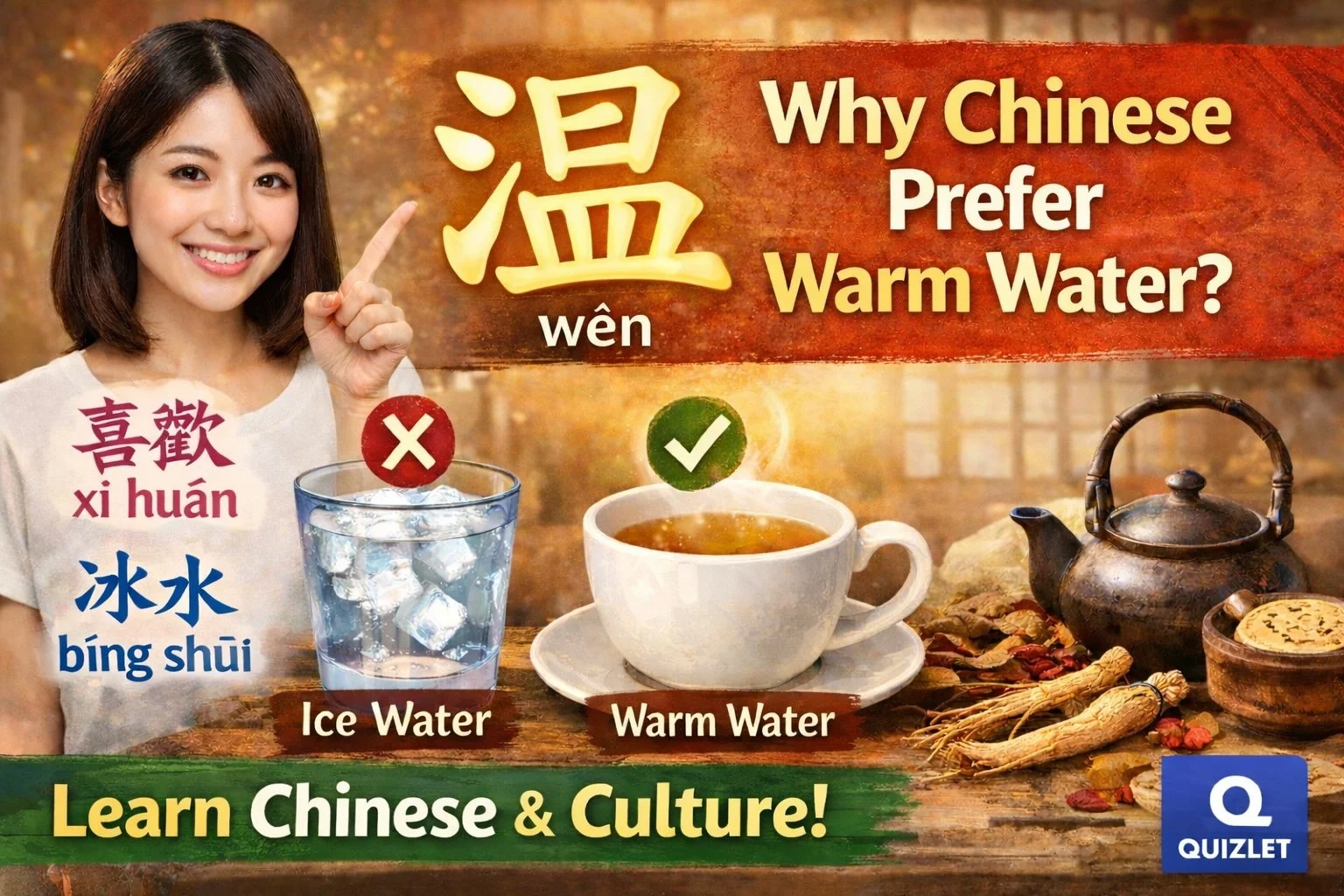
054 Why Chinese People Don’t Like Ice Water | Learn the Character 温 (wēn)
In this video, we’ll learn the Chinese character “温 (wēn)”, while also taking a small glimpse into Chinese culture and healthy living. We’ll explore a fun cultural topic: why many Chinese people don’t like ice water and prefer drinking warm water instead. This habit is closely connected to traditional Chinese ideas about health and self-care. At the end of the video, you can review and practice what you’ve learned with a Quizlet study set. Here is the link. https://quizlet.com/1132379238/lesson...

053 喜 (xǐ) & 歡 (huān) : The Story Behind Chinese Characters + Ice Cream Vocabulary 🀄🍦
In this video, we explore 喜 (xǐ) & 歡 (huān) and have some ice cream fun! 🍦
See how these characters evolved, how words form, and how sentences come alive.
We’ll review 香 (xiāng) & 草 (cǎo), learn how to say vanilla and chocolate ice cream, and finish with a playful Spin Game to practice everything.
Perfect for learners, culture lovers, or anyone looking for a little inspiration. Let’s explore together! ❤️
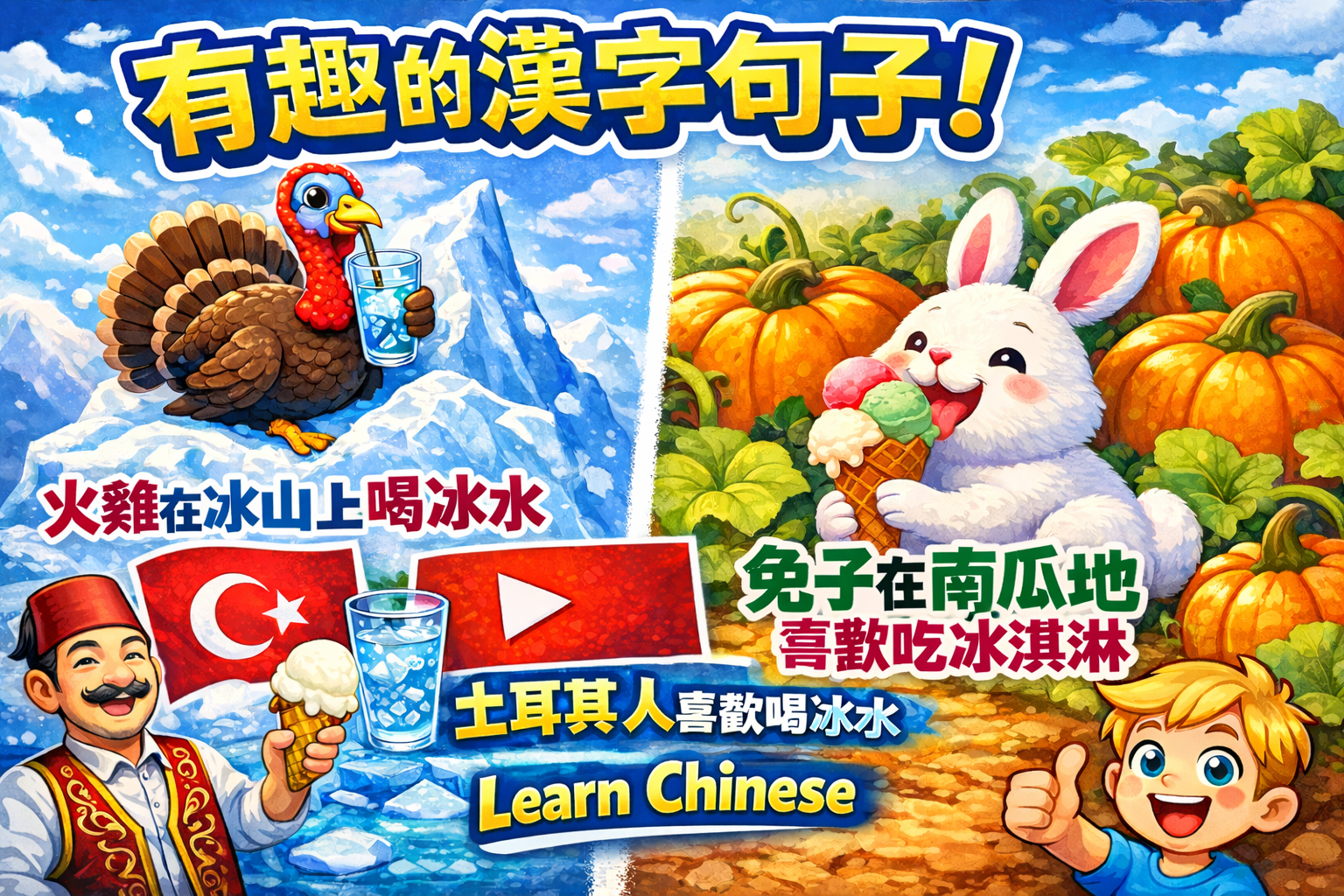
052 Chinese Characters|Learn Chinese with Ice 🧊 & Fun Sentence Patterns | 冰水 · 冰山 · 冰淇淋
In this video, you will learn Chinese characters and easy sentence patterns through fun examples related to ice 🧊🍦.
You will learn words like 冰水 (ice water), 冰山 (iceberg), and 冰淇淋 (ice cream), explore the character evolution of 其, and understand how other characters with 其 and 林 are formed.
You will also practice a basic Chinese sentence pattern: someone + does something + where (location in the middle) 📄 Download the worksheet here to practice these characters yourself!
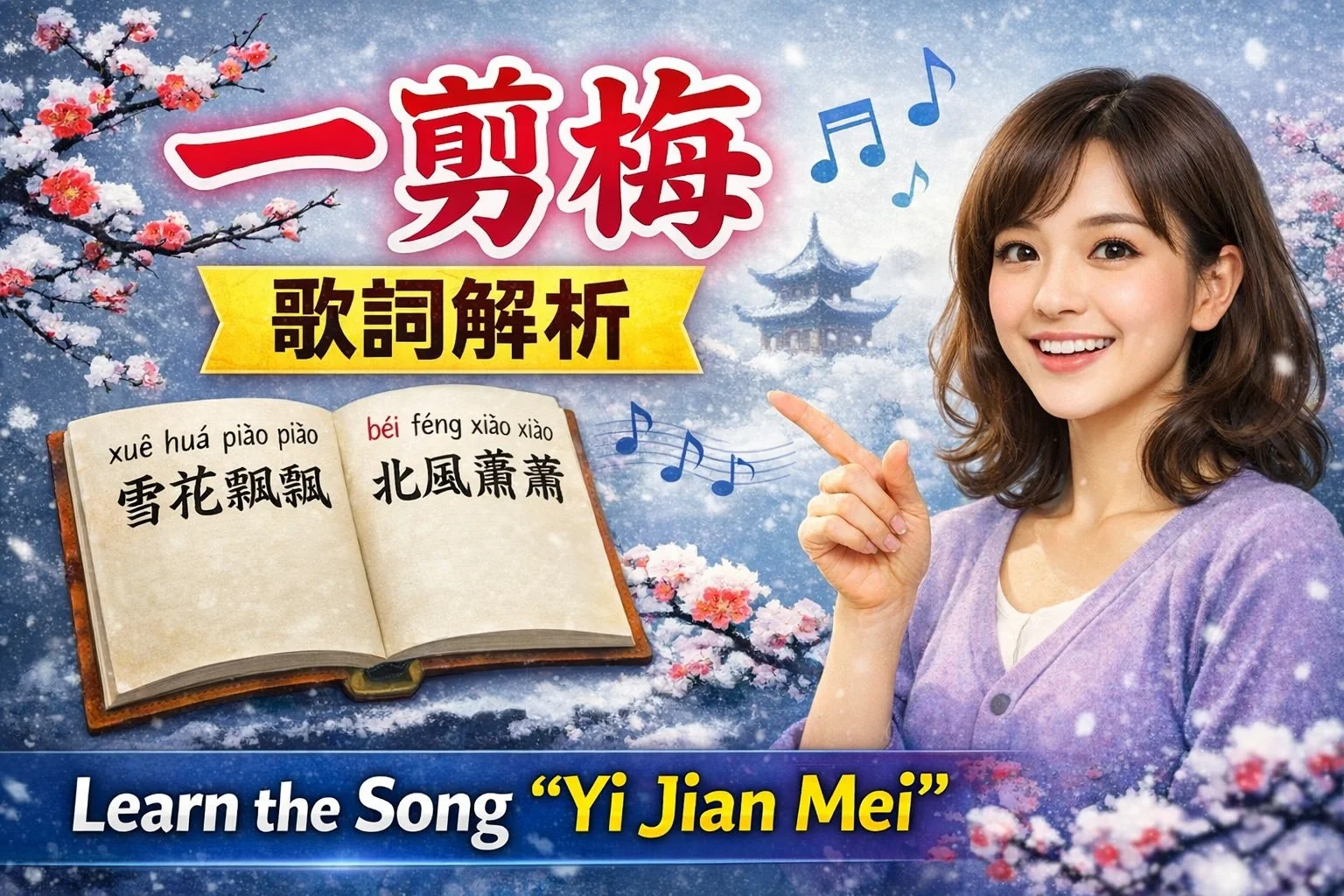
051 Chinese song: Yi Jian Mei (一剪梅) — Fei Yu-Ching | Lyrics Explained
In this video, we take a quiet look at the classic Chinese song “Yi Jian Mei” (一剪梅), made famous by Fei Yu-Ching. We move through the lyrics line by line, listening closely to their meaning and emotion, while gently unpacking how Chinese characters are formed along the way — from 冰 (ice) and 陽 (sun) to 地 (earth), and from water radicals to the shifting forms of 心 (heart). The video closes with a full performance of the song, followed by a QR code linking to Fei Yu-Ching’s original music video, offering a moment to reflect. This video is ideal for Mandarin learners, as well as for anyone drawn to Chinese songs, language, and the quiet beauty of written characters. This is part of our Chinese songs and character learning series.
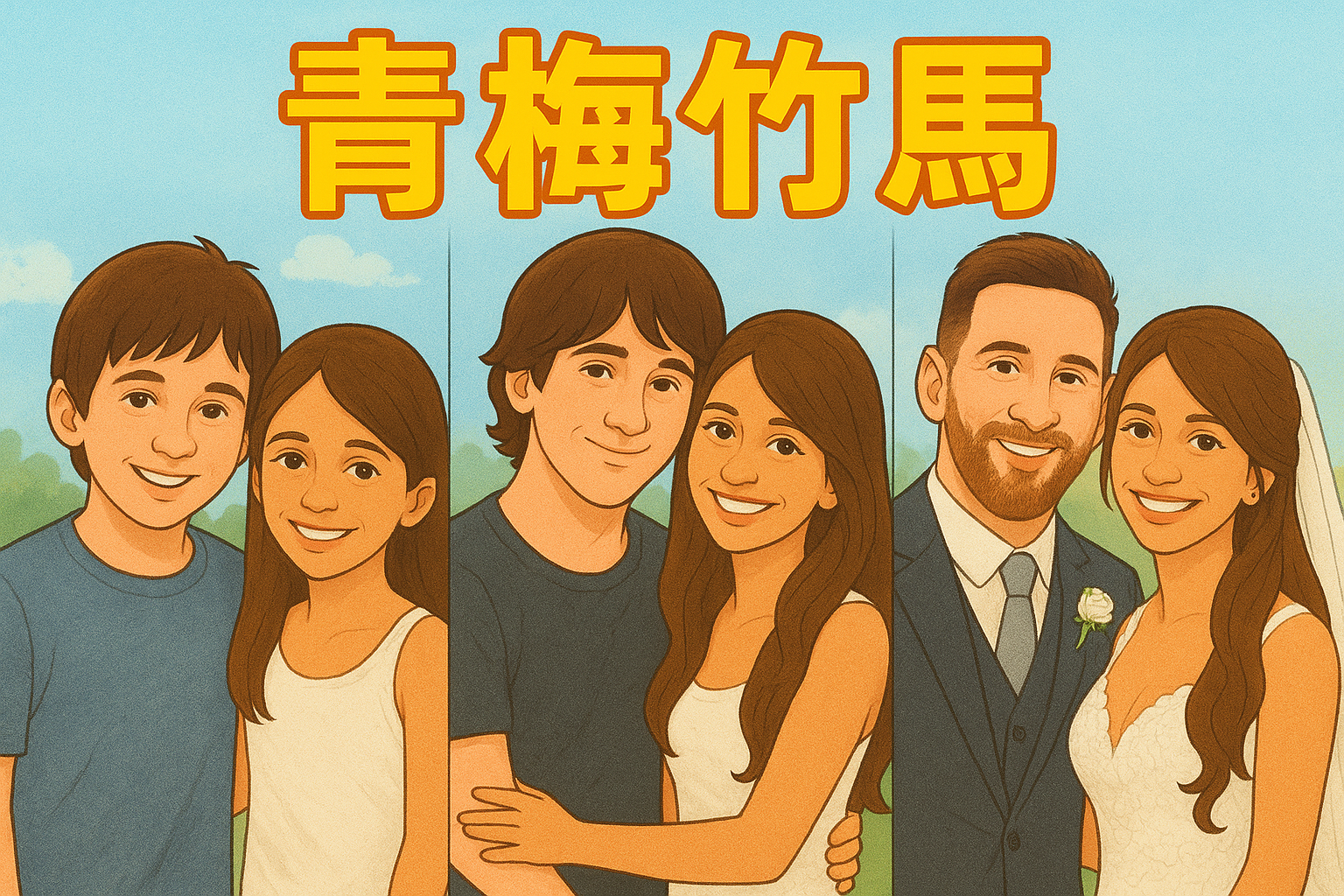
050 Chinese characters: From 梅 (méi) to Messi: Learn Chinese Characters & Idioms Easily
🔥 From 梅 (méi) to Messi!
Learn the Chinese character 梅 (méi), explore the idiom 青梅竹馬 (qīng méi zhú mǎ), and discover how it connects to soccer star Lionel Messi.
We’ll break down 梅 (méi) and its radical 每 (měi) step by step, so you can understand how Chinese characters are built and connected.
📄 Bonus: A worksheet to practice writing 梅 (méi) and other Chinese characters to strengthen your skills.
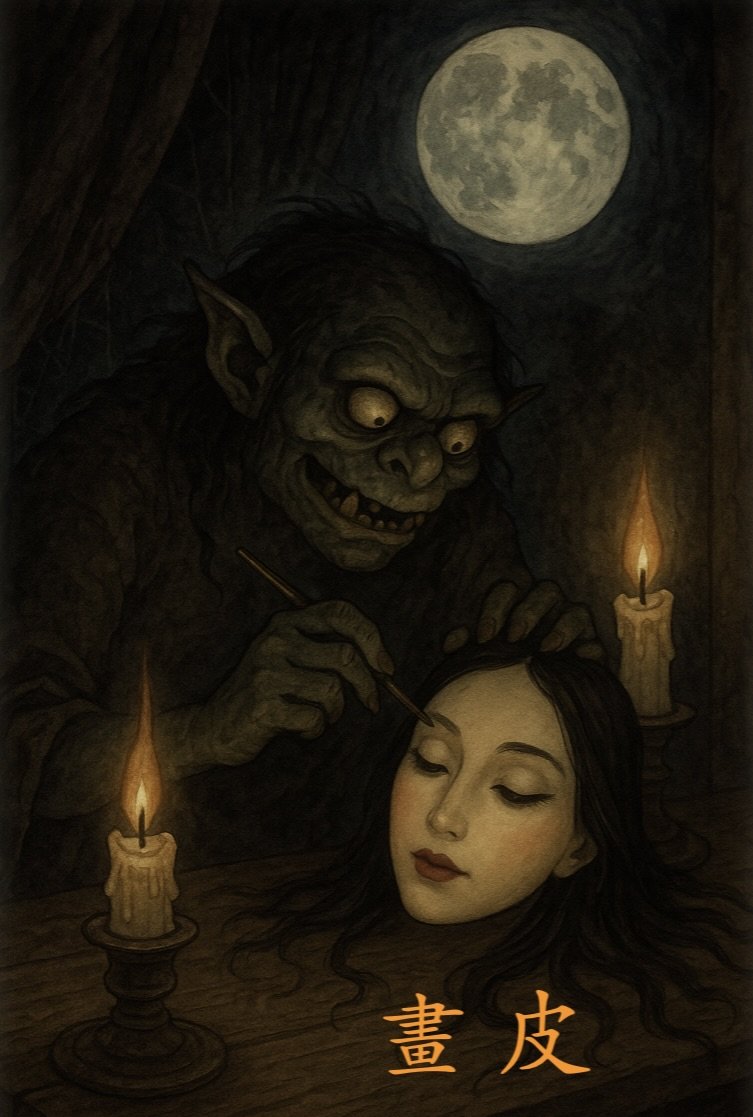
049 Chinese Ghost Story: 畫(huà) 皮(pí) — “Painted Skin” | Spooky Chinese Ghost Story for Halloween
In this video, we’ll explore one of the most famous Chinese ghost stories 畫(huà) 皮(pí) — “Painted Skin” .
Through this story, you’ll also learn how to use the Chinese character “鬼 (guǐ)”, which means “ghost.” Each sentence in the video highlights the same character, word, or phrase in matching colors for the pinyin, Chinese characters, and English translation.
This makes it easy for you to see how they connect, how they are pronounced, and what they mean. We hope you enjoy this spooky yet meaningful tale!✨

048 Chinese characters: 也(yě), 他(tā), “她” (tā)
In this video, we’ll explore the evolution of the Chinese character “也“(yě) and see how it connects to everyday life in Chinese culture.
By reviewing some previously learned characters, we’ll discover how Chinese characters change their shape when used as radicals (components), making room to combine with other characters to form new ones.
We’ll also learn two commonly used characters that include “也” (yě) as a radical: “他” (tā -he) and “她” (tā-she). Scan the QR code and check out the sentence unscramble practice.
Sentence Unscramble link is here.
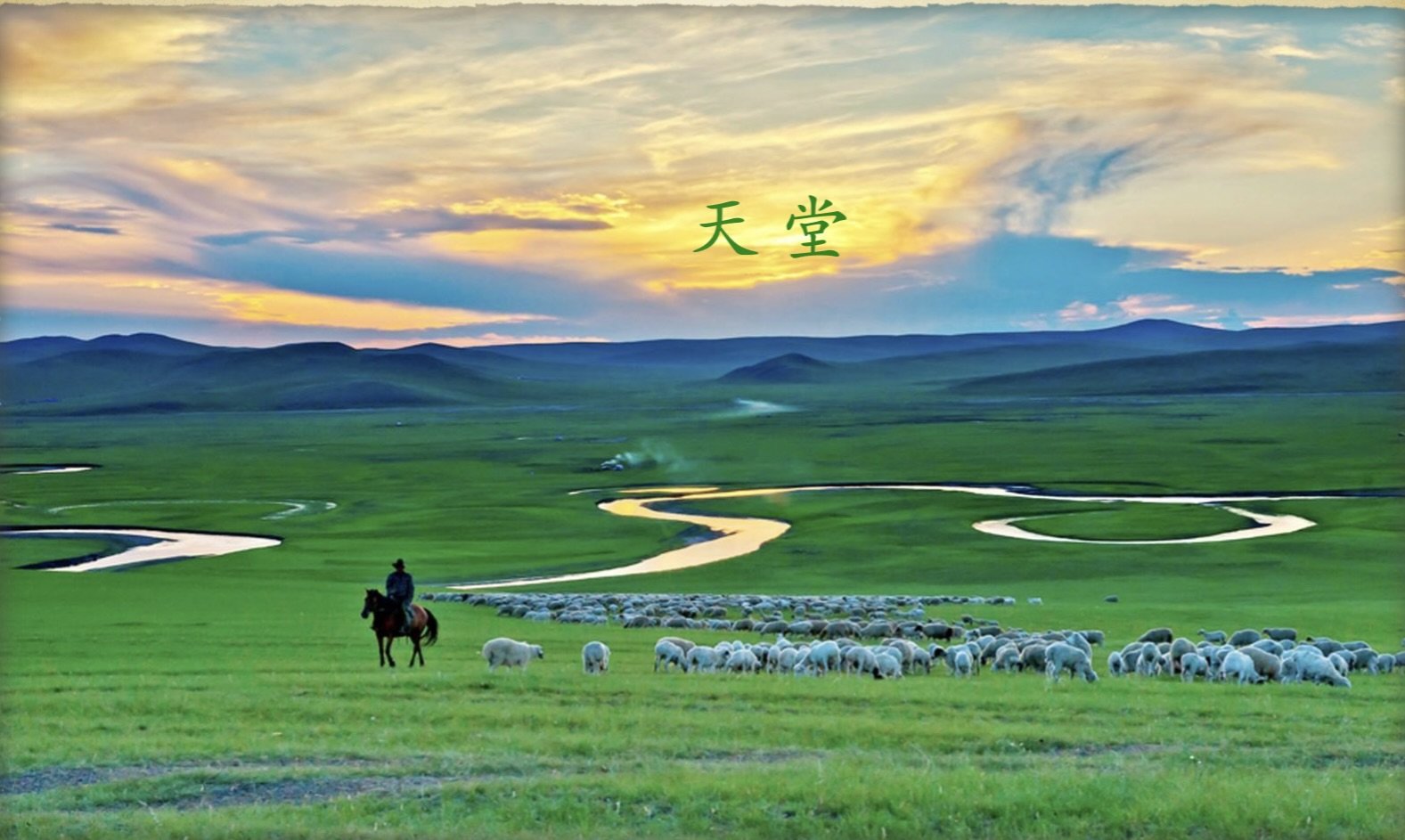
047 Chinese song 天(tiān) 堂(táng) – Heaven| Chinese-Mongolian musician Tengger (滕Téng 格gé 爾ěr)
In this video, we’ll be learning the Chinese song 天(tiān) 堂(táng) – Heaven, written, composed, and performed by the renowned Chinese-Mongolian musician Tengger (滕 Téng 格 gé 爾 ěr).
Not only will you learn Chinese characters and how words are used in sentences, but you’ll also catch a glimpse of the breathtaking landscapes of China's Inner Mongolian grasslands through the song’s lyrics and melody.
The music captures the vastness, beauty, and soul-nourishing spirit of the prairie, offering a rich cultural and emotional experience.
At the end of the video, you can scan the QR code to watch the official music video and immerse yourself in Tengger’s powerful, heartfelt voice.
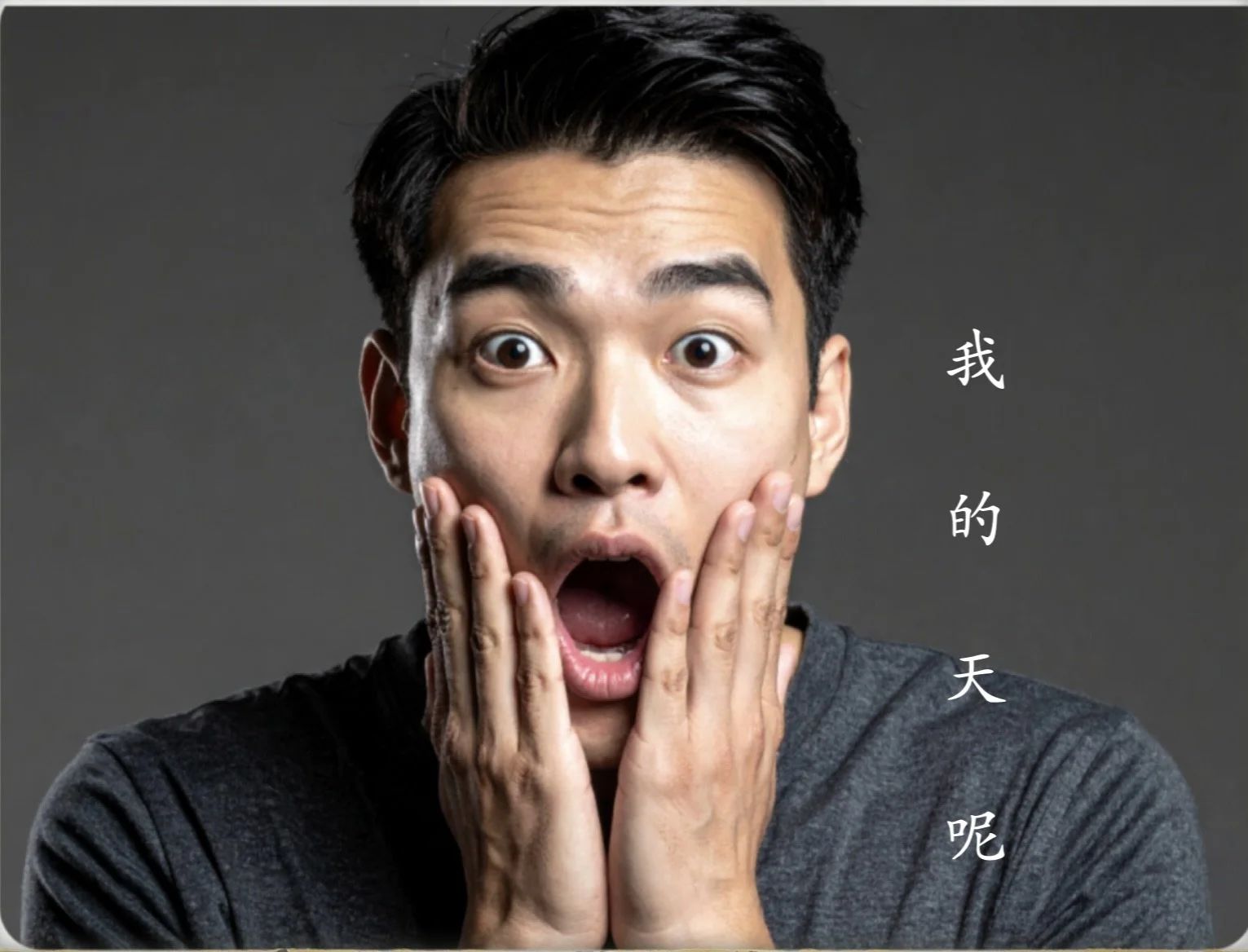
046 How to say 'Oh my God' in Mandarin?
In this video, we'll learn how to say 'Oh my God!' and 'Oh God!' in Mandarin, as well as explore different ways to express the interjection 'Oh'.

045 Chinese characters: 天 (tiān) 晴 (qíng) | measure words structure
In this video, you’ll learn three practical Chinese words that include the character 天 (tiān) — one of the most common and meaningful characters in Chinese! We’ll show you how to use these words in a sentence, and explain how measure words work in a simple, easy-to-understand structure. Plus, discover the fascinating link between the character 晴 (qíng) and Taoist alchemy. Chinese characters aren’t just words — they’re deeply connected to nature, culture, and everyday life.
Here is the worksheet to practice the hanzi we’ve learned.
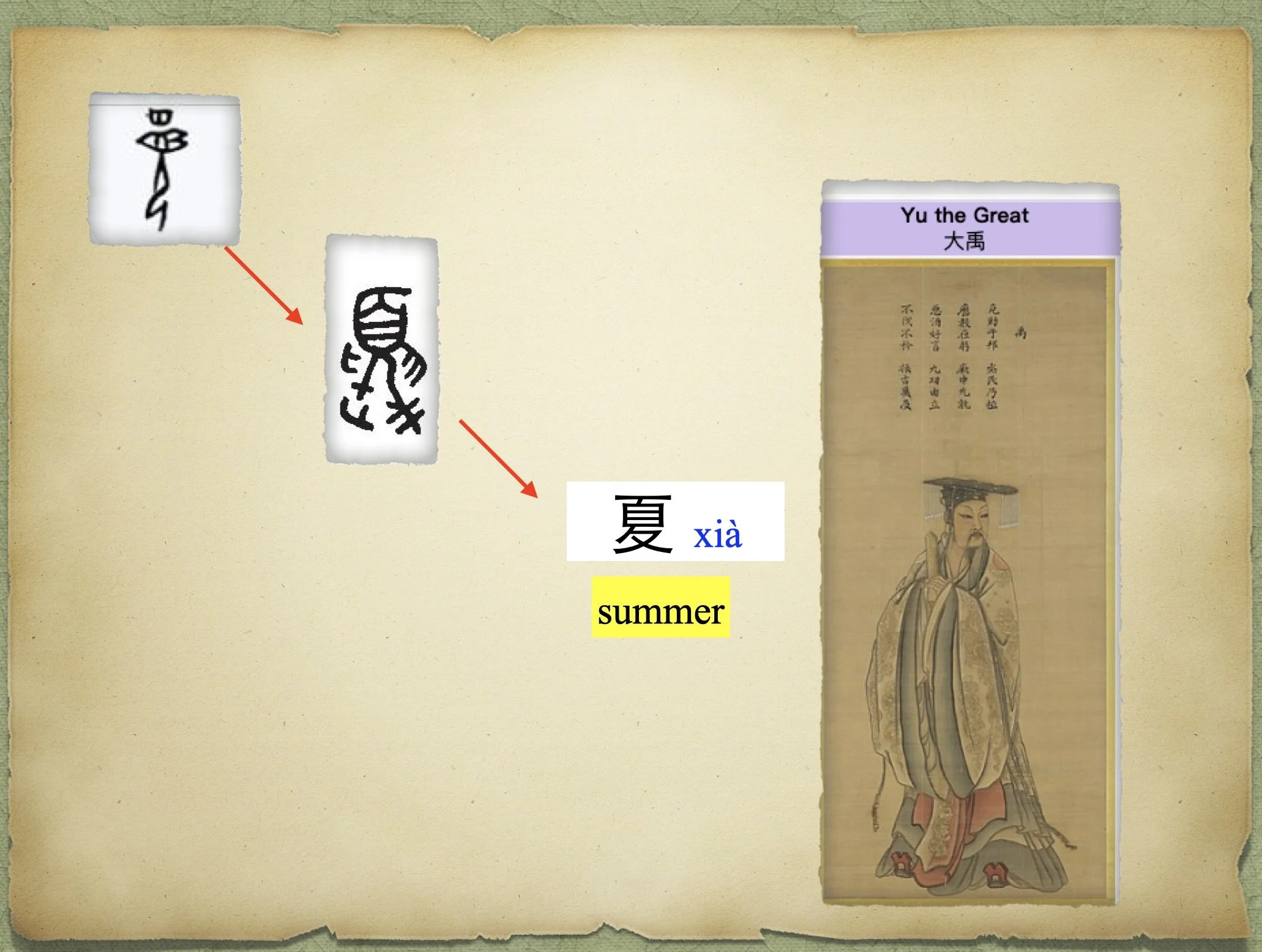
044 Chinese characters: 夏(xia-summer)|The first Chinese dynasty
In this video, we’ll explore the Chinese character 夏 (Xià) by looking at its historical evolution and its connection to the Xia Dynasty and Yu the Great. We’ll then learn three useful words that includes 夏 (Xià). Finally, we’ll use these words in a sentence and explain the grammar structure “每(měi)...都(dōu)...” to help you build more natural Chinese sentences. Through this video, you’ll see how learning Chinese can start from a single character, expand into words, and then grow into full sentences with meaning and context.
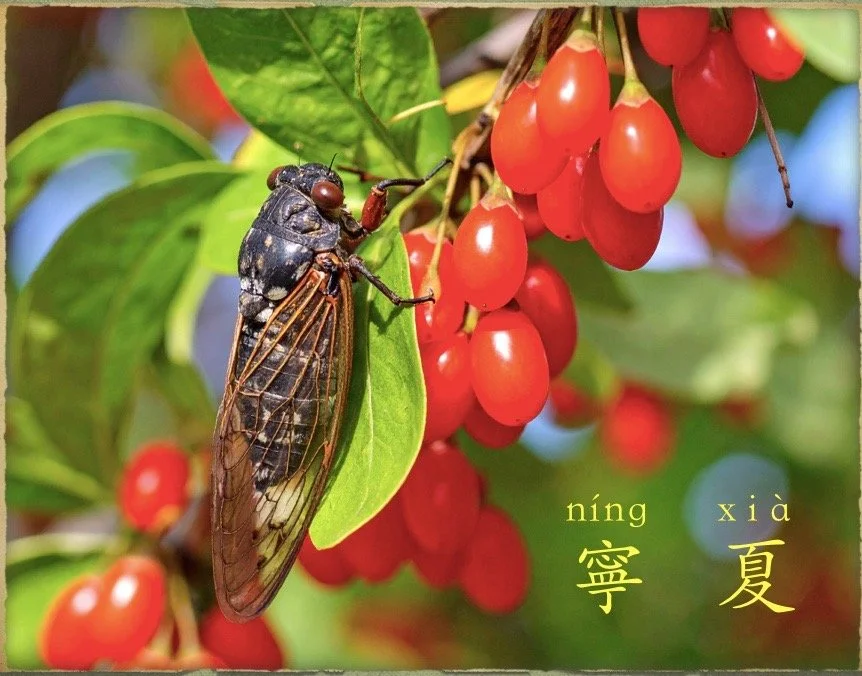
043 Chinese song about summer:寧(ning) 夏(xia)| Chinese autonomous region| singer Fish Leong
In this video, we’ll learn a beautiful Chinese song about summer, originally sung by popular Malaysian-Chinese singer Fish Leong. Along the way, we’ll break down the meaning of each character and sentence, and explore how to use the three different structural particles "de" in Chinese. You'll also discover why the song's title is connected to Ningxia, an autonomous region in north-central China, and what cultural significance it carries. Stick around until the end—you’ll be able to scan a QR code to watch the official music video!
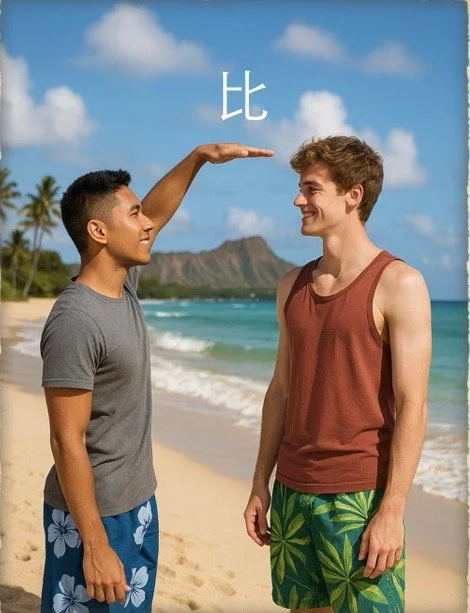
042 Chinese characters: 比 (bǐ-compare; contrast)| How to say Hawaii in Mandarin|
In this video, we will learn a new Chinese character: 比 (bǐ – compare; contrast), along with its historical evolution and stroke order. We’ll also create sentences using 比 and the five major planets we learned in lesson 41. Then, we’ll learn how to say “Hawaii” in Mandarin, exploring the literal and deeper meanings of each of the three characters that make up the word. Finally, you're welcome to use the Quizlet study set to review and practice the characters we’ve covered.
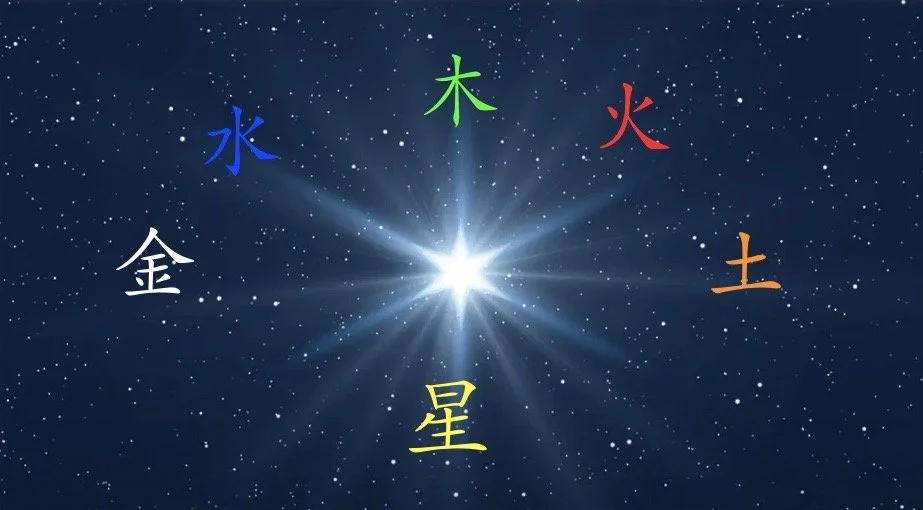
041 Chinese characters: 金星, 水星, 木星, 火星, 土星| How to Say Five Planets in Mandarin?
In this video, we’ll be reviewing the Chinese character 星 (xīng), which means ‘star.’ After that, we’ll learn how to say the names of five planets in Chinese, using 星 (xīng-star) and other characters we've already learned. Let’s see if you can guess the names of the planets in Chinese as we go!
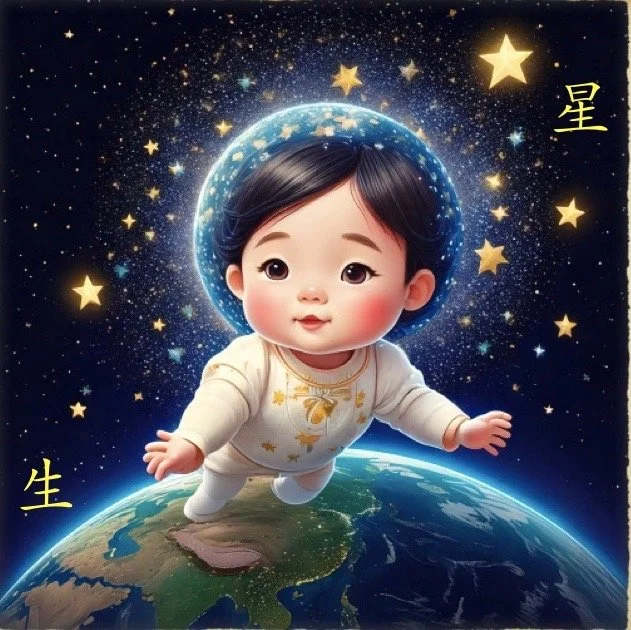
040 Chinese characters: 生(sheng-grow, born) 星(xing)| Happy Birthday song in Mandarin
April 23rd is my birthday! In this video, we’ll learn how to say “Happy Birthday” and sing the birthday song in Mandarin. We’ll also explore the Chinese character 生 (shēng), which means "to grow" or "to be born." Then, we’ll take a closer look at why the character 星 (xīng) contains 生(shēng). I hope this video inspires you to shine brightly in your life—because you were a 星 (xīng) from the moment you were born!

039 Chinese characters: 兔(tu-rabbit), 免(mian), 晚(wan)| 復活節 Easter
In this video, we’re going to learn how to say Easter in Mandarin Chinese. Along the way, we’ll break down some interesting characters like 兔 (tù – rabbit), 免 (miǎn – also related to rabbit), and 晚 (wǎn ), to see how logical and meaningful Chinese characters can be. Chinese characters are full of stories and logic once you start to see the patterns. Hope you found this helpful and fun!

038 Chinese character 青(qing-blue, green, black) and Tomb-sweeping Day
In this video, we’ll explore the customs of the Qingming Festival and the deep meanings behind them. We’ll also uncover the fascinating link between the character 青 (qīng—green, blue, or black) and Daoist alchemy, which played a key role in the invention of firecrackers and fireworks. Finally, we’ll delve into the famous poem 清明 (Qīng Míng), a timeless expression of sorrow and longing for lost loved ones.
Here is the worksheet.

037 Chinese characters: 金 子(gold)|How to say Ireland, St. Patrick’s Day, and Leprechaun in Mandarin?
🍀🇮🇪 Want to learn how to say Ireland, St. Patrick’s Day, and Leprechaun in Mandarin? 🏆✨
In this video, we’ll explore these festive words and dive into the fascinating evolution of the Chinese character 金 (jīn) 子 (zǐ) - gold! 💰🔤
Check it out and add some lucky Mandarin to your vocabulary! 🎥👇
📌 [https://www.youtube.com/watch?v=iuIObed7zBM ]
🔔 Subscribe for more language fun!
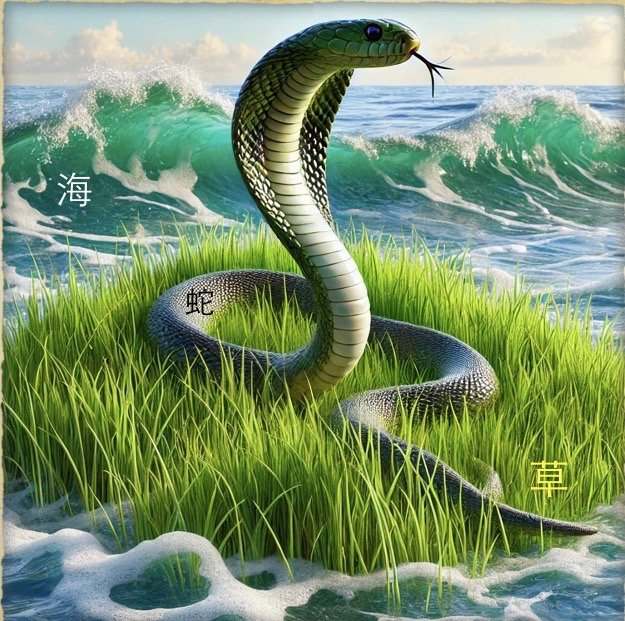

035 What's my Chinese Zodiac Sign? How to find my Chinese Zodiac Sign?
When I was a child, I was so confused that people born in the same year had different Chinese zodiac signs, while people born in different years had the same Chinese zodiac sign. In this video, we’ll talk about why. You’ll also learn how to find your Chinese zodiac sign.